Both tank and tankless water heaters reliably deliver hot water, but they do it in very different ways — and the right choice depends on your household size, daily demand, and budget for upfront versus long-term costs. Understanding the key differences will help you have a much more useful conversation before you get a quote.
How Each System Works
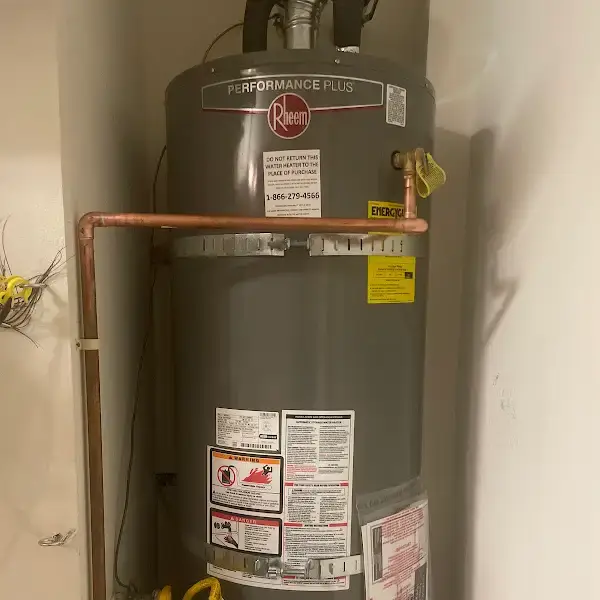
A tank water heater stores a fixed volume of water — typically anywhere from 30 to 80 gallons — and keeps it hot around the clock. When you turn on the tap, pre-heated water flows out immediately. Once the tank empties faster than it can recover, you run out of hot water until it reheats.
A tankless water heater (also called an on-demand heater) has no storage tank. It fires up only when a hot-water tap opens, heating water as it passes through the unit. Because it heats continuously rather than storing, it cannot "run out" in the traditional sense — but it does have a maximum flow rate, measured in gallons per minute (GPM), that limits how many fixtures can run hot at the same time.
Upfront Cost Drivers
Tank heaters generally cost less to purchase and install. The equipment price is lower, and in most homes the existing gas line or electrical circuit can handle the new unit without upgrades. Installation time is usually shorter as a result.
Tankless units carry a higher equipment price. Beyond that, the installation often involves:
- Gas line upsizing — tankless gas heaters fire at a much higher BTU rate and frequently need a larger supply line
- Venting changes — many tankless models require a new direct-vent or concentric vent run to the outside
- Electrical work — electric tankless units draw significant amperage and may need a panel upgrade
- Condensate drainage — high-efficiency condensing models produce water that must drain somewhere
These add-ons are what drive the installation cost up, not the labor itself. The complexity varies house by house, which is why a flat-rate quote after a site look is the only reliable number.
Long-Term Operating Costs
A tank heater loses heat through its walls all day — this is called standby heat loss. You pay to reheat water even when no one is home. The energy penalty is modest on a modern well-insulated tank, but it is constant.
A tankless heater eliminates standby loss entirely. For households that use a moderate amount of hot water, the energy savings over a year can be meaningful. For very high-use households running multiple fixtures simultaneously, a tankless unit works harder and the efficiency gap narrows.
Lifespan is also a factor. Tank heaters typically fail sooner than tankless units due to corrosion or sediment buildup. Tankless units, with routine maintenance such as annual descaling, commonly last significantly longer. That longer service life matters when you are comparing the true cost of ownership.
Hot-Water Demand: Matching the System to Your Household
This is where many homeowners get tripped up. A tankless unit sized for one bathroom will struggle in a home where two showers, a dishwasher, and a washing machine might run at once. Getting the GPM rating right is critical.
Factors that affect demand sizing include:
- Number of bathrooms and simultaneous users
- Whether you have a large soaking tub or high-flow shower heads
- Groundwater temperature — colder incoming water requires more heating capacity
- Whether the home is a primary residence or a rental with variable occupancy
A tank heater is simpler to size: pick a gallon capacity that covers your peak hour demand and you are covered. A tankless heater requires calculating the temperature rise needed and the peak GPM your household draws, then selecting a unit that can handle both at the same time.
Installation Complexity at a Glance
| Factor | Tank Heater | Tankless Heater |
|---|---|---|
| Equipment cost | Lower | Higher |
| Installation complexity | Generally straightforward | Often requires gas, vent, or electrical upgrades |
| Standby energy loss | Yes | No |
| Risk of running out of hot water | Yes, if tank is undersized | No, but flow rate is limited |
| Typical service life | Shorter | Longer with maintenance |
| Maintenance needs | Anode rod replacement, flushing | Annual descaling in hard-water areas |
| Space required | More — needs floor space | Less — wall-mounted |
Which Situations Favor Each Option
A tank heater is likely the better fit if:
- You want the lowest upfront cost
- Your existing gas line and venting are already set up for a tank unit
- The home has straightforward hot-water demand with no simultaneous heavy use
- You are replacing a failed heater quickly and need same-day availability
A tankless heater is likely the better fit if:
- You want to reduce long-term energy costs and are comfortable with higher upfront investment
- Space is limited and a wall-mounted unit is appealing
- Your household runs hot water at multiple points at the same time
- You plan to stay in the home long enough to recoup the installation cost
- You want app-controlled scheduling — some models, such as Rinnai units, support this
Maintenance: What Both Systems Need
Neither system is truly set-and-forget. Tank heaters benefit from periodic flushing to clear sediment that settles at the bottom and reduces efficiency. The anode rod — a metal rod inside the tank that slows corrosion — should be inspected and replaced on a regular schedule.
Tankless heaters need descaling, especially in areas with hard water. Mineral buildup inside the heat exchanger reduces efficiency and, over time, can cause the unit to fail. An annual service visit keeps the heat exchanger clean and catches small issues before they become expensive ones.
When to Call a Professional
Water heater work requires a licensed plumbing contractor. Beyond the license requirement, there are practical reasons to have a professional handle the job: seismic strapping, proper sizing, and correct venting all affect safety and long-term performance. Sizing mistakes — going too small on a tankless unit or choosing a tank that recovers too slowly — lead to cold showers and callbacks.
If you are in Stockton, Modesto, Tracy, Lodi, Manteca, Lathrop, Galt, or Elk Grove, Oliver at Golden Bay Plumbing can walk you through the options, tell you what your current setup will and will not support, and give you a flat-rate quote before any work begins. Oliver is a licensed CA C-36 contractor (#1088424) and insured, and same-day installation is available on water heaters. Call (209) 299-1387 to get a straight answer and a price you can say yes or no to before anything is touched.
Frequently asked questions
Can a tankless water heater run out of hot water?
A tankless heater does not store water, so it cannot run out the way a tank does. However, every tankless unit has a maximum flow rate in gallons per minute, so if too many fixtures run simultaneously the unit cannot keep up and water temperature will drop. Correct sizing prevents this.
Is a tankless water heater always more energy efficient than a tank?
Tankless heaters eliminate standby heat loss, which gives them an efficiency advantage for most households. That said, very high-demand homes that constantly push the unit to its limit will see a smaller difference. Efficiency also depends on the specific model and how well it is maintained.
How long does a water heater installation typically take?
A straightforward tank swap in an existing space can often be completed the same day. A tankless installation that requires gas line work, new venting, or electrical upgrades takes longer because of the additional work involved. A site assessment gives you the most accurate timeline.
Do I need a permit to replace a water heater in California?
Permit requirements vary by jurisdiction, so it is worth confirming with your local building department. A licensed C-36 plumbing contractor can advise on local requirements and ensure the installation meets applicable code, including proper seismic strapping.
What maintenance does a tankless water heater need in a hard-water area?
In areas with hard water, mineral scale builds up inside the heat exchanger over time. Annual descaling — circulating a vinegar or descaling solution through the unit — keeps it running efficiently and extends its service life significantly.